Clinic RX Bukit Jalil
Kuala Lumpur, Malaysia
Mon–Fri, 10am–7pm | Sat, 9am–6pm
SKIN CONDITION
Learn what causes keloids, why some raised scars continue growing or return after treatment, and which doctor-led options may help flatten, soften and manage keloid scars.
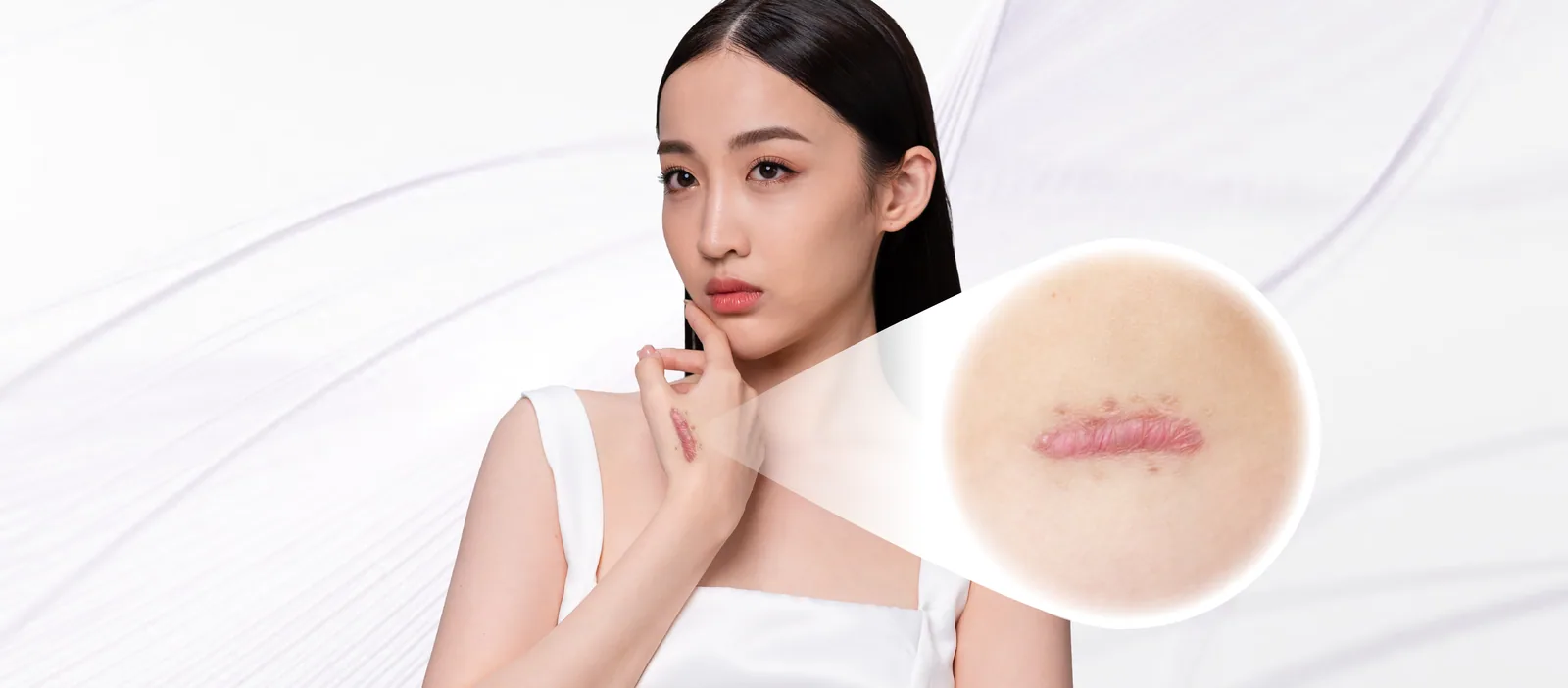
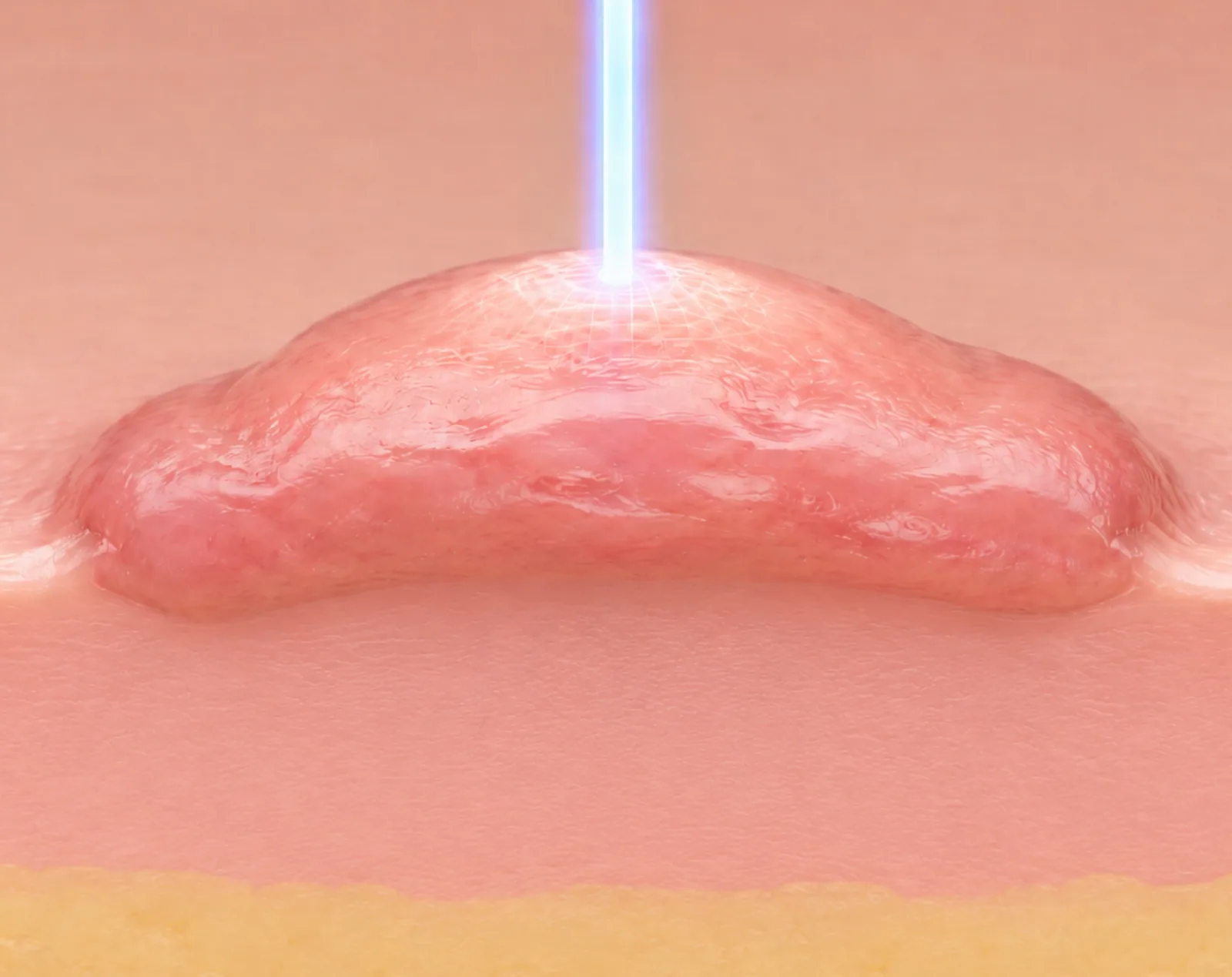
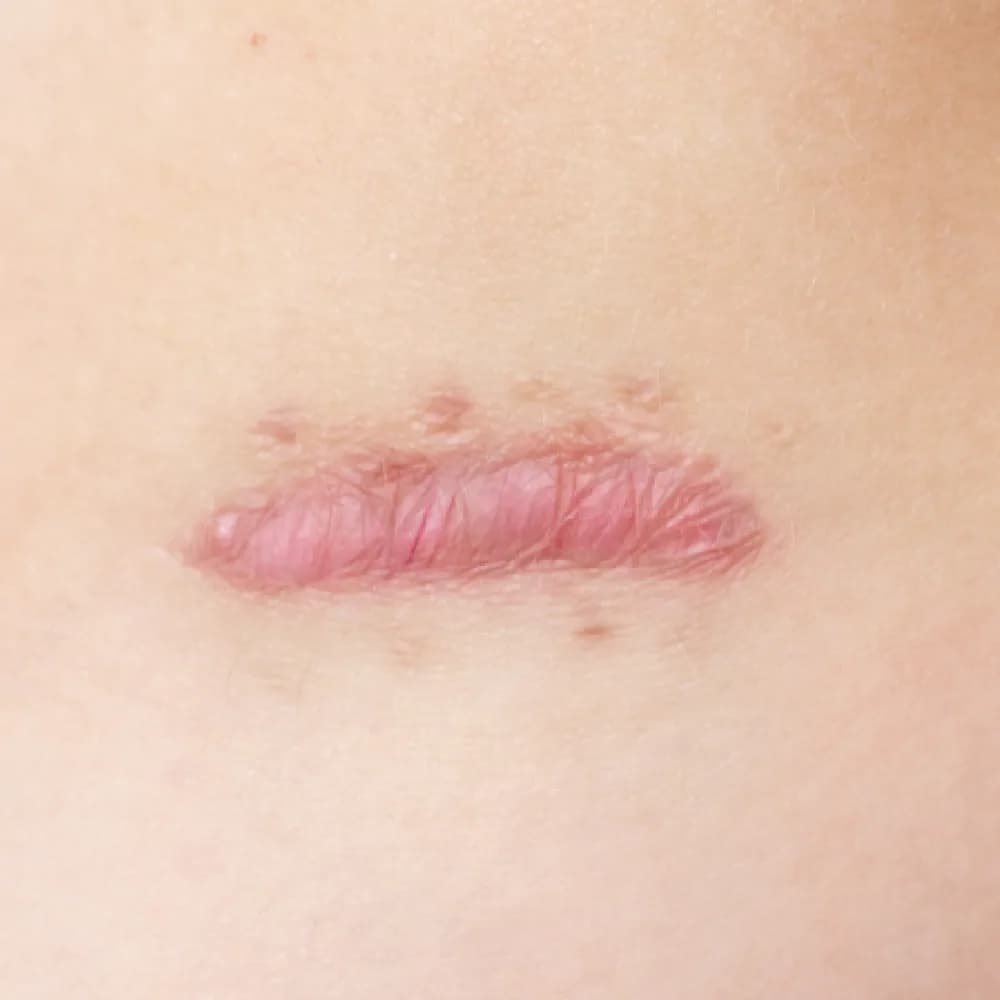
A keloid is a raised scar that develops when the skin produces excess collagen during healing. Unlike a typical scar, a keloid grows beyond the boundaries of the original wound.
Keloids can develop after piercings, acne, cuts, burns or surgery and may continue to enlarge over time. Some also cause itching, tenderness or discomfort.
Early assessment can help distinguish a true keloid from other raised scars and guide treatment before the scar becomes more extensive.
Keloids are more than a surface scar. Because the skin’s healing response continues to produce excess collagen, treatment often focuses on controlling thickness, symptoms and recurrence rather than expecting a one-time removal to solve the problem.
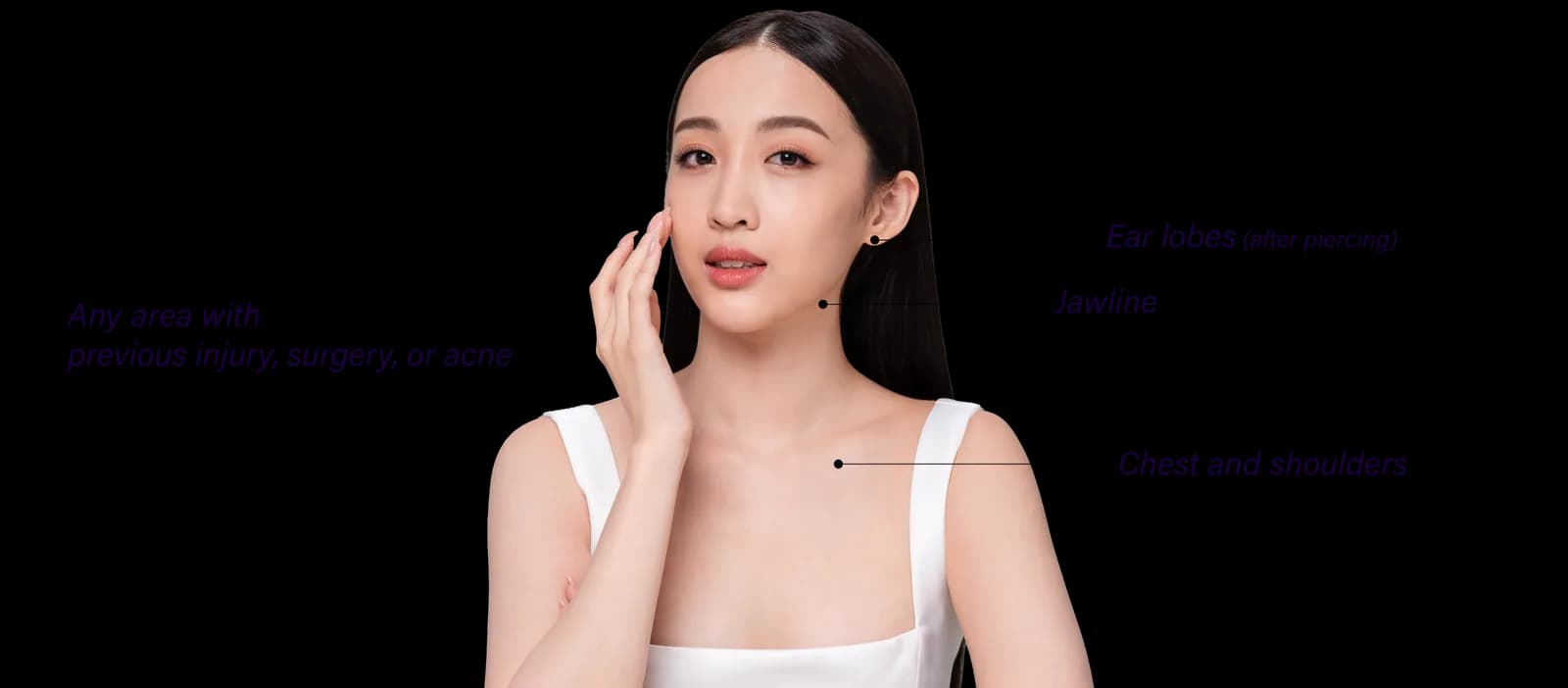
Keloids develop because of an overactive wound-healing response. Contributing factors may include:
Because keloid formation is strongly influenced by individual healing response, people who have developed keloids previously may be more prone to developing them again.
Clinic RX describes keloid treatment as an ongoing management process rather than a single-session fix, and recurrence risk should be discussed before treatment.
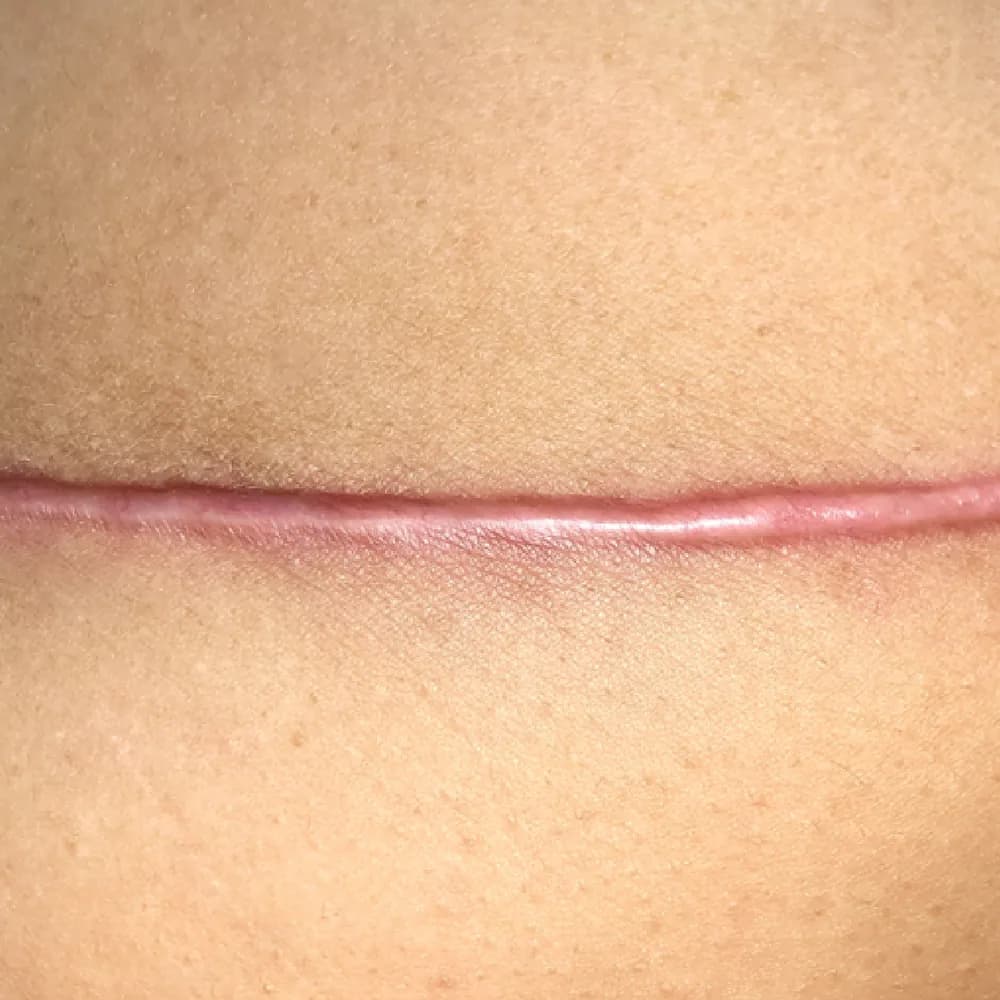
A raised scar that extends beyond the boundaries of the original wound.
A raised scar that remains within the boundaries of the original wound.
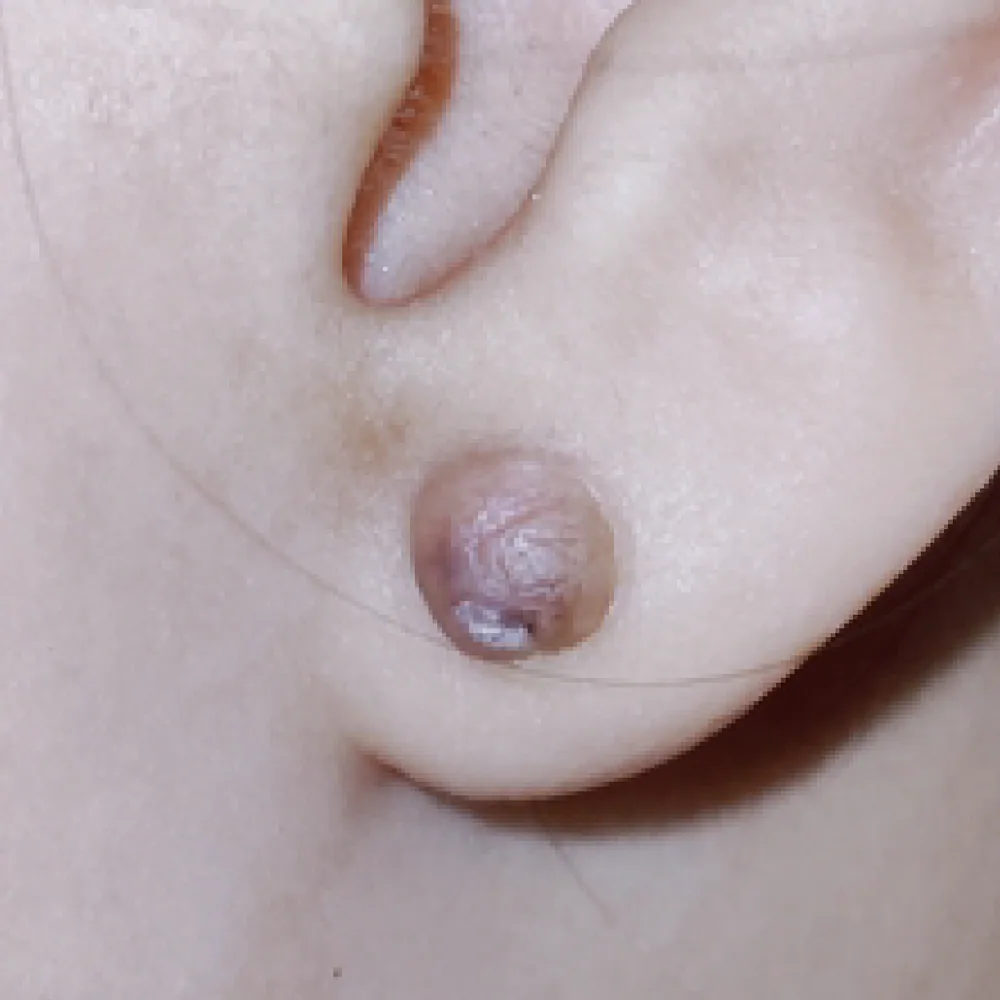
A keloid that regrows after previous treatment.
A consultation and physical assessment is required to confirm suitability — this page is general education, not a diagnosis.
Clinic RX currently lists Keloid Removal Injection as the main keloid-reduction treatment, with Botanical Peel and Exosome Therapy as supporting skin-recovery options. Treatments may be combined according to doctor assessment, suitability, response and goals.
Book Consultation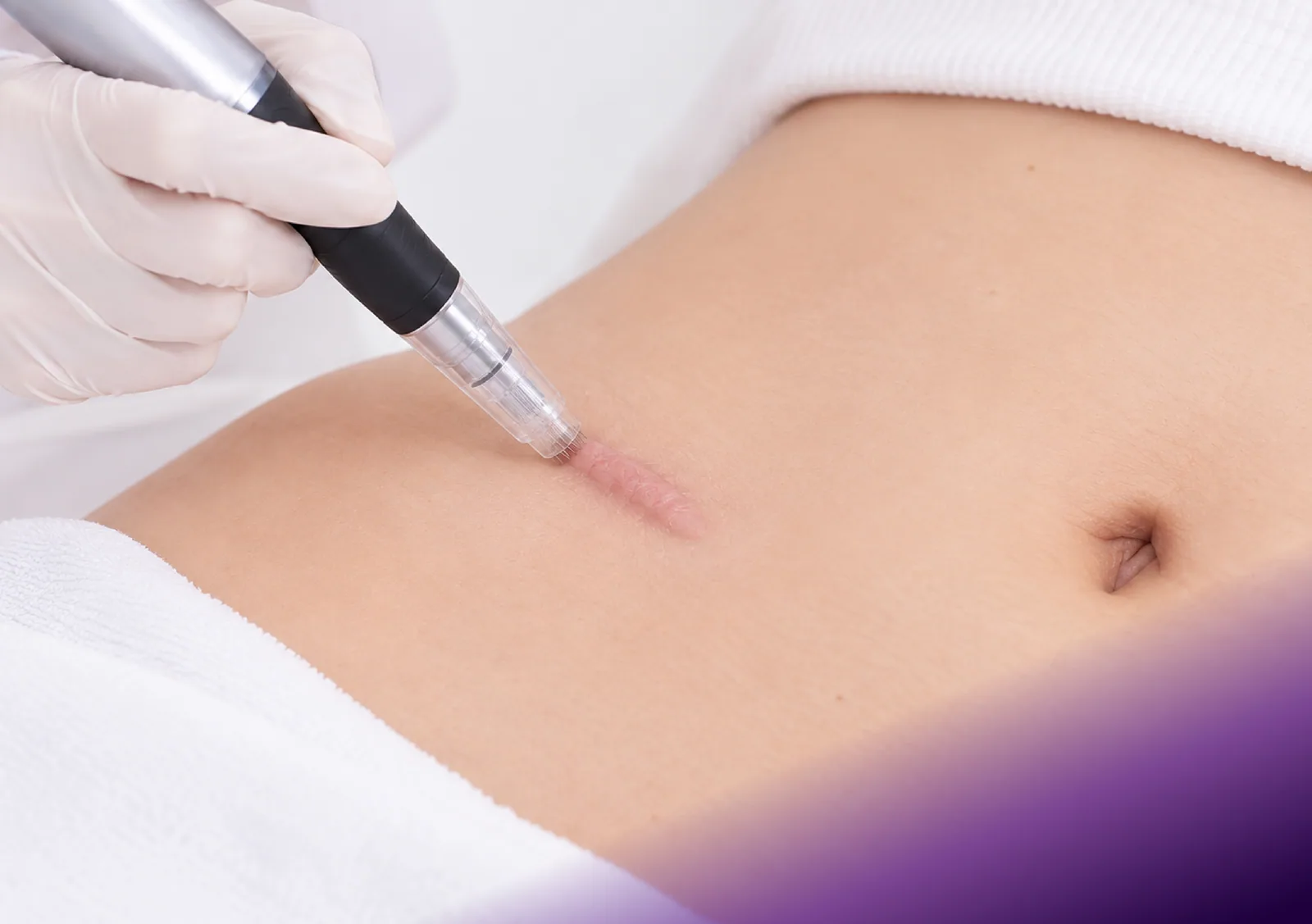 01
01Keloid Reduction
A doctor-led injection treatment used to help flatten and soften keloid scar tissue and manage symptoms and continued scar growth.
 02
02Supporting Skin Recovery & Texture
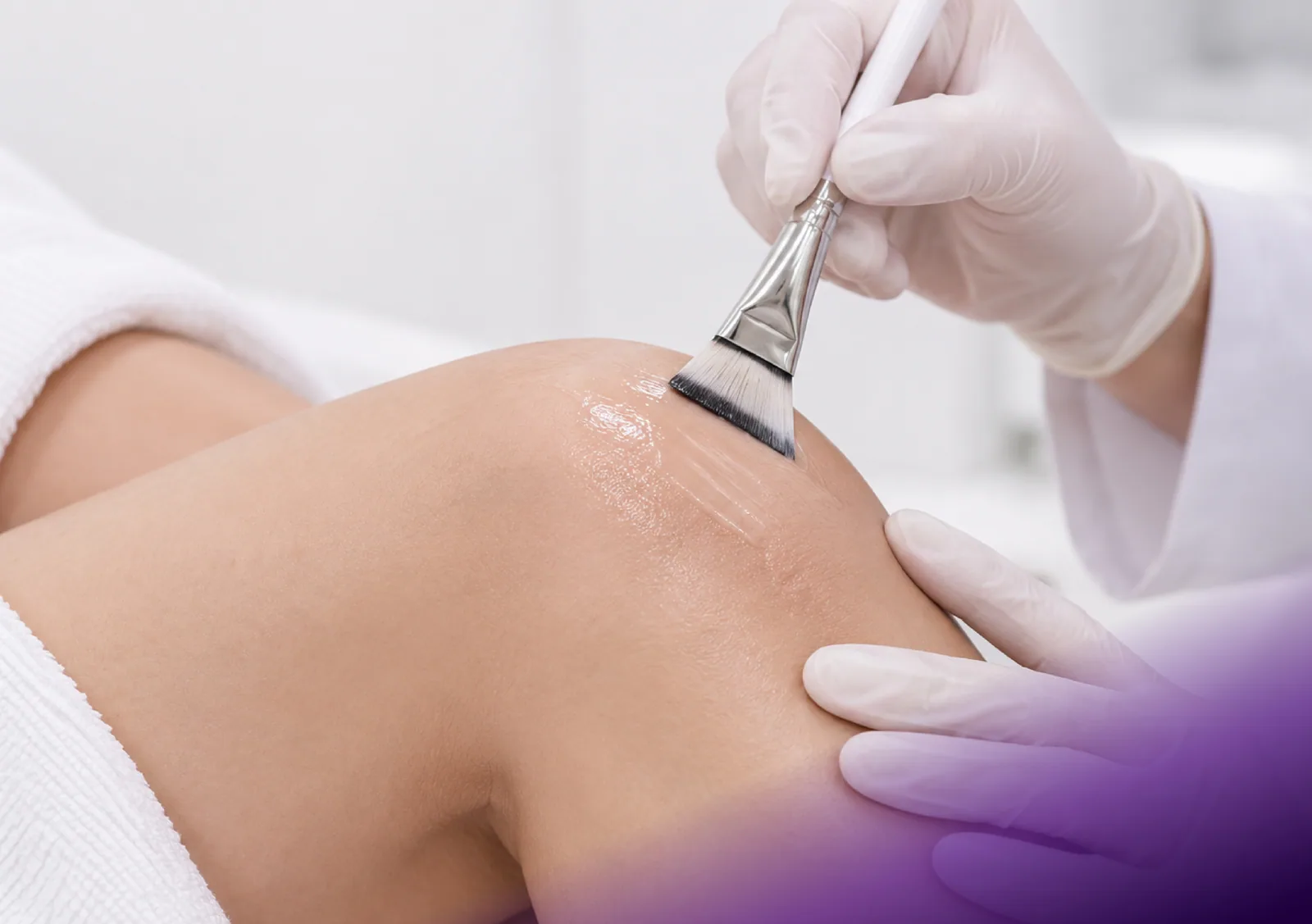
A controlled exfoliation treatment that may be used as supportive care to improve skin renewal and texture around appropriately treated areas. It is not the primary treatment used to flatten a keloid.
 03
03Supporting Skin Repair & Recovery
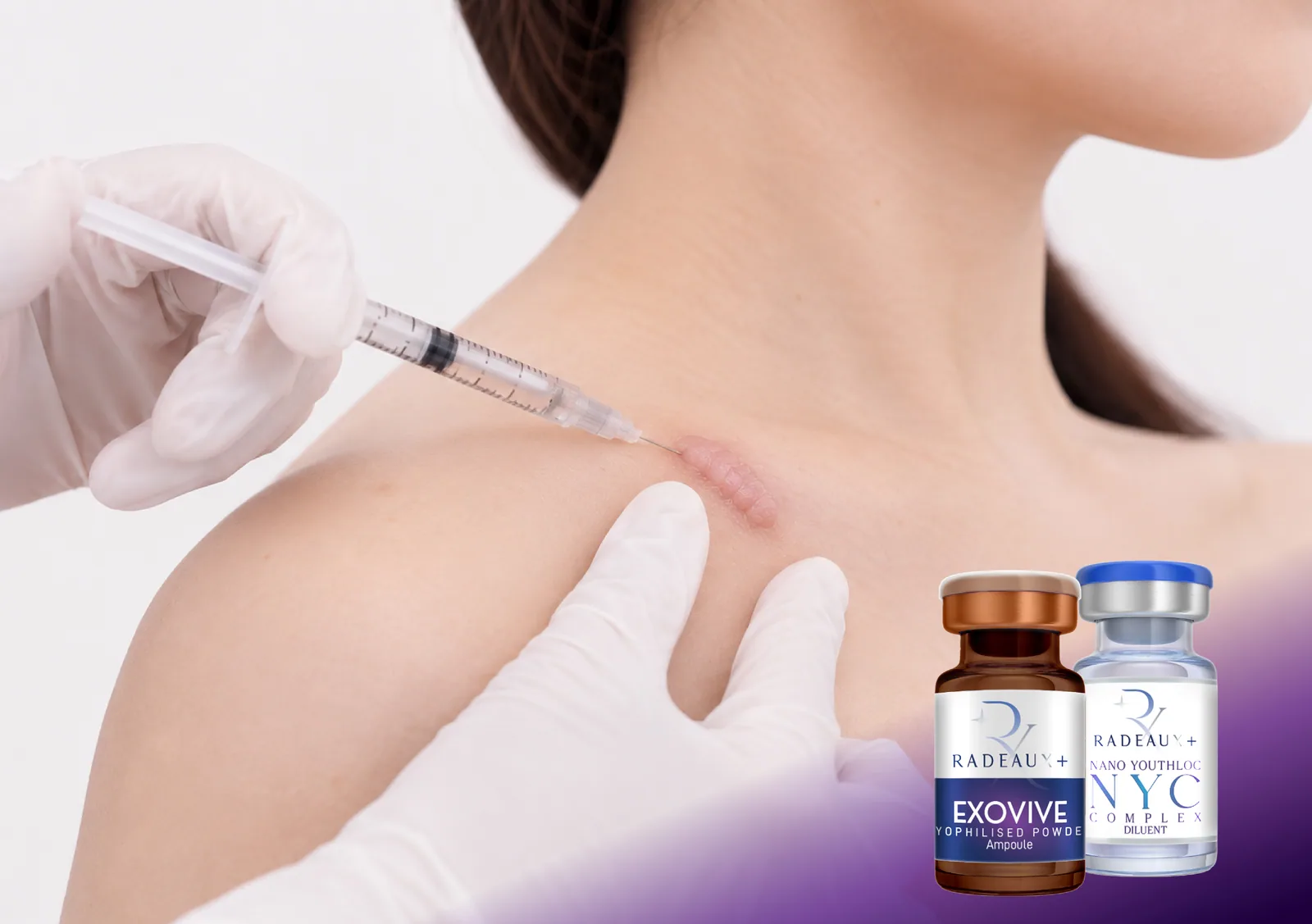
Clinic RX lists Exosome Therapy as a supporting option to enhance skin repair and recovery around keloid treatment. It does not replace treatment directed at the keloid itself.
A Clinic RX doctor can assess whether your scar is a keloid, hypertrophic scar or recurrent keloid and discuss a treatment plan based on its size, location, symptoms and previous treatment history.
Keloid treatment carries potential risks, and recurrence remains possible even after improvement.
This is general information, not medical advice. A full risk disclosure will be discussed during your in-person consultation before consent is obtained.
With appropriate treatment and consistency, Clinic RX states that patients may experience:
Results vary according to keloid size, location, treatment consistency and individual healing response. Recurrence risk should be discussed upfront.
Keloids develop when the healing process produces excess collagen after skin injury. Genetics, piercings, cuts, surgery, acne, burns, wound tension and individual skin predisposition can contribute.
A keloid grows beyond the boundaries of the original wound. A typical scar stays within the injured area and generally becomes flatter with time.
A keloid extends beyond the original wound, while a hypertrophic scar is raised but remains within the wound boundary.
A raised bump after piercing can have several causes, including irritation or scar formation. If the scar continues to grow beyond the original piercing site, a keloid may be possible and should be assessed.
Yes. Clinic RX lists acne as one of the skin injuries that can trigger keloid formation in people who are predisposed.
They can. Clinic RX notes that untreated keloids may continue to enlarge and may cause itching, tenderness or discomfort.
Keloids generally do not behave like ordinary scars that gradually flatten. Persistent or enlarging keloids may require doctor assessment and treatment.
There is no single treatment plan for every keloid. Clinic RX lists Keloid Removal Injection as the main reduction treatment, with Botanical Peel and Exosome Therapy as supporting recovery options. Final recommendations depend on doctor assessment.
Clinic RX describes Keloid Removal Injection as a doctor-led treatment intended to flatten, soften and manage keloid scars. Response and the number of sessions required vary.
Yes. Recurrence is an important part of keloid management because the underlying healing tendency remains. Clinic RX specifically notes that keloids can regrow after previous treatment.
Simply removing a keloid does not guarantee that it will not return. Clinic RX notes that removal without adjunct therapy can allow regrowth, so treatment planning should consider recurrence.
There is no fixed number for everyone. Treatment depends on the keloid's size, thickness, location, previous treatment history and individual response.
Pricing depends on the keloid's size, location, treatment plan and number of sessions required. Final pricing is confirmed after doctor assessment.
If you have a raised, growing or recurrent scar, a Clinic RX doctor can assess whether it is a keloid or another type of raised scar and discuss which treatment approach may be suitable.
Treatment suitability, expected results, risks, number of sessions and recurrence vary between individuals and will be discussed during consultation.