
Clinic RX Bukit Jalil
Kuala Lumpur, Malaysia
Mon–Fri, 10am–7pm | Sat, 9am–6pm

SKIN LESIONS & SCARRING
For milia, benign moles and skin lesions requiring doctor-assessed removal
Because milia and moles are different types of skin lesions, the removal method is not the same for everyone. Depending on the lesion, techniques may include fine needle extraction, electrocautery, laser, shaving or minor surgical excision.
At Clinic RX, the treatment approach is personalised according to the type, size, depth and location of the lesion, as well as your skin tone and healing tendency.

Milia are small, firm, white or yellowish bumps that form when keratin becomes trapped just beneath the skin surface. They commonly appear around the eyes, cheeks and nose. Milia are benign and are not the same as acne.
Moles, also called naevi, are common pigmented skin lesions that can appear anywhere on the face or body. Most are harmless, but a new or changing mole should be assessed by a doctor before cosmetic removal.
Most moles are harmless, but a new or changing mole should be assessed before cosmetic removal. The ABCDE guide is a useful way to recognise features that may need medical evaluation before any removal procedure.
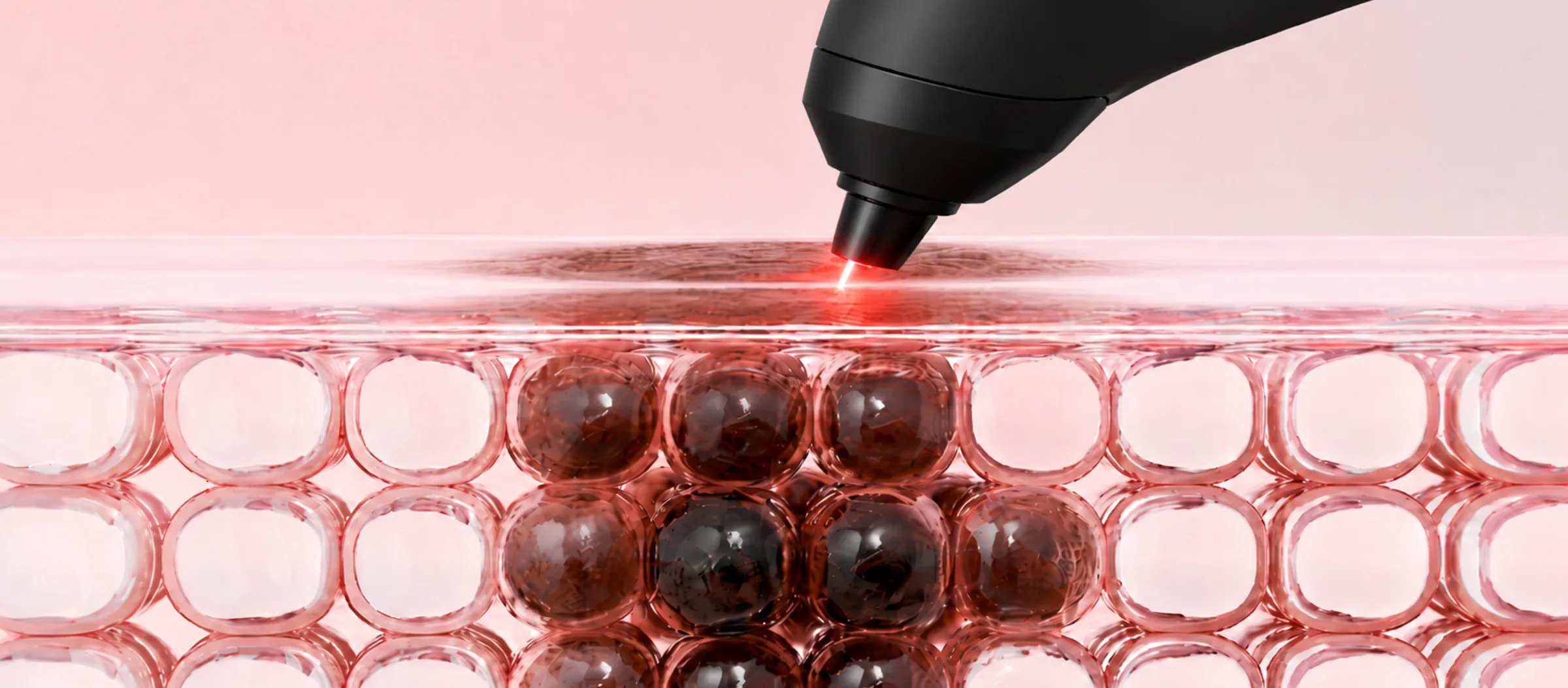
A mole that is new, changing, itching, bleeding or otherwise looks different should be assessed by a doctor. The ABCDE guide is a screening guide rather than a diagnosis, and not every melanoma follows all five features.
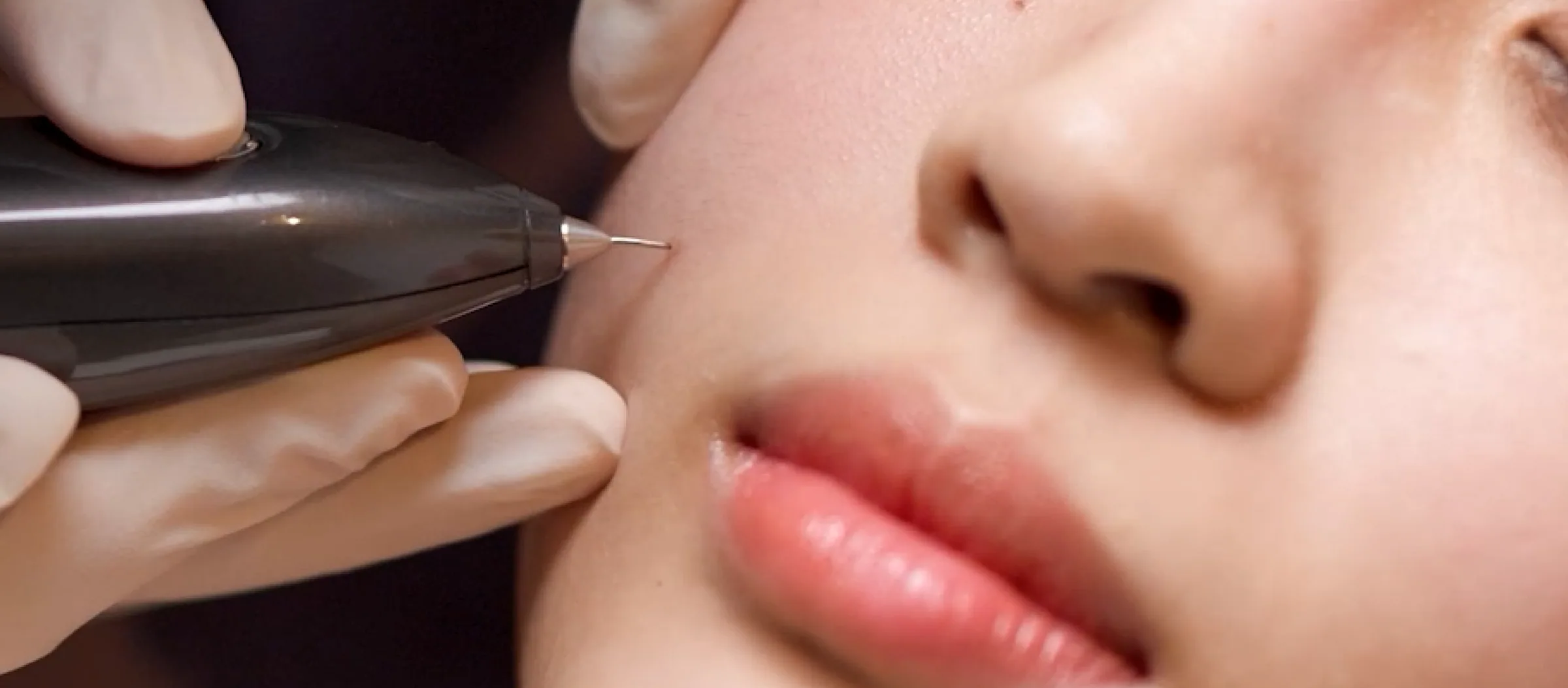
The removal method depends on what the lesion is. Milia are superficial keratin-filled bumps and may be released through a tiny opening before the trapped keratin is gently extracted.
Moles are actual skin lesions, so the doctor first assesses their appearance, size, depth and location. If the mole is suitable for removal, the doctor selects an appropriate technique such as electrocautery, laser, shaving or surgical excision.
A mole that appears unusual or has concerning changes may require further evaluation rather than routine cosmetic removal.


The appropriate technique depends on the lesion and treatment area. Cosmetically sensitive areas may require a different approach to larger or deeper lesions on the body.
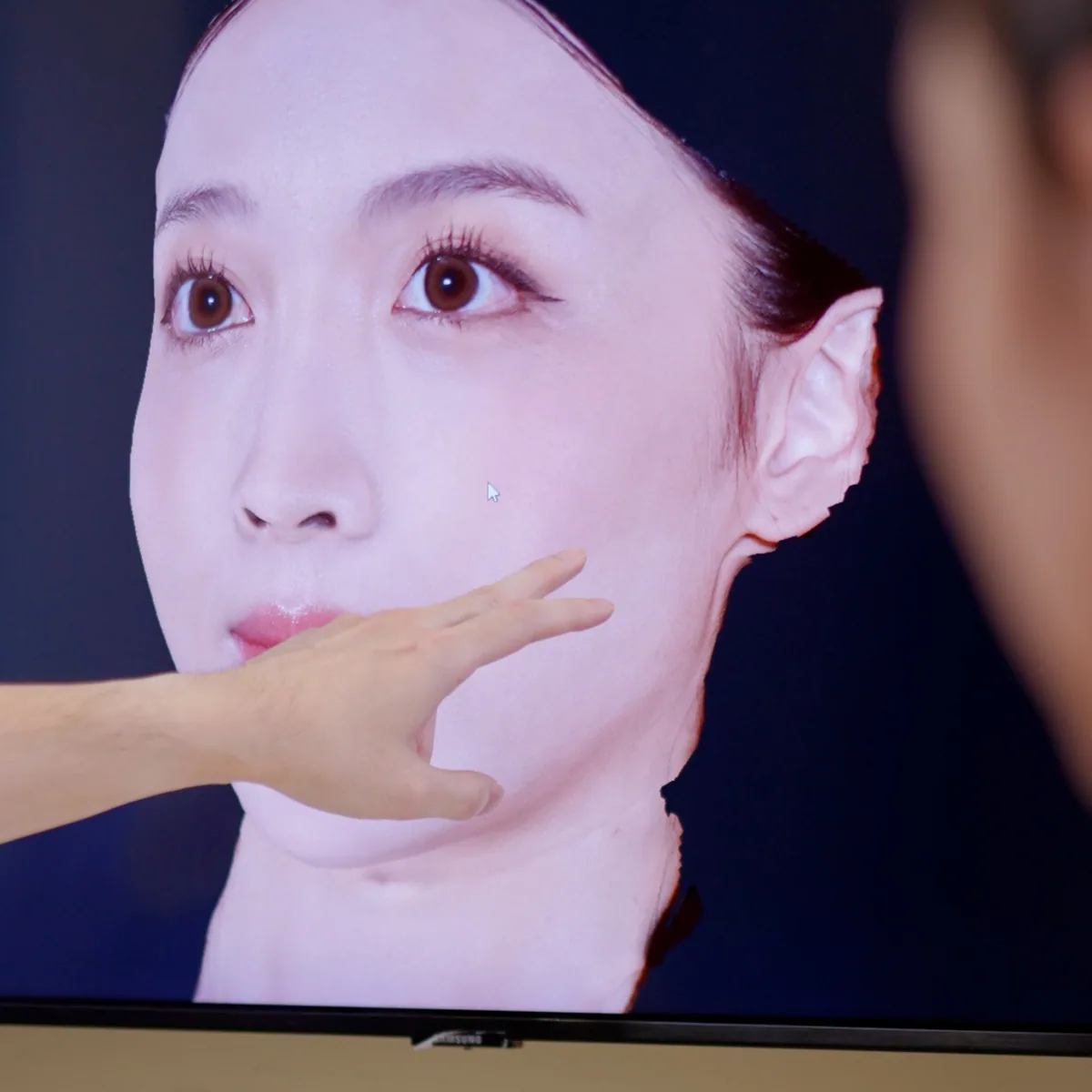
The doctor examines the lesion to determine whether it is milia, a mole or another type of skin lesion and checks for features that may require further evaluation.

The removal technique is selected according to the lesion type, size, depth and location.

The area is cleansed. Local numbing may be used depending on the procedure.
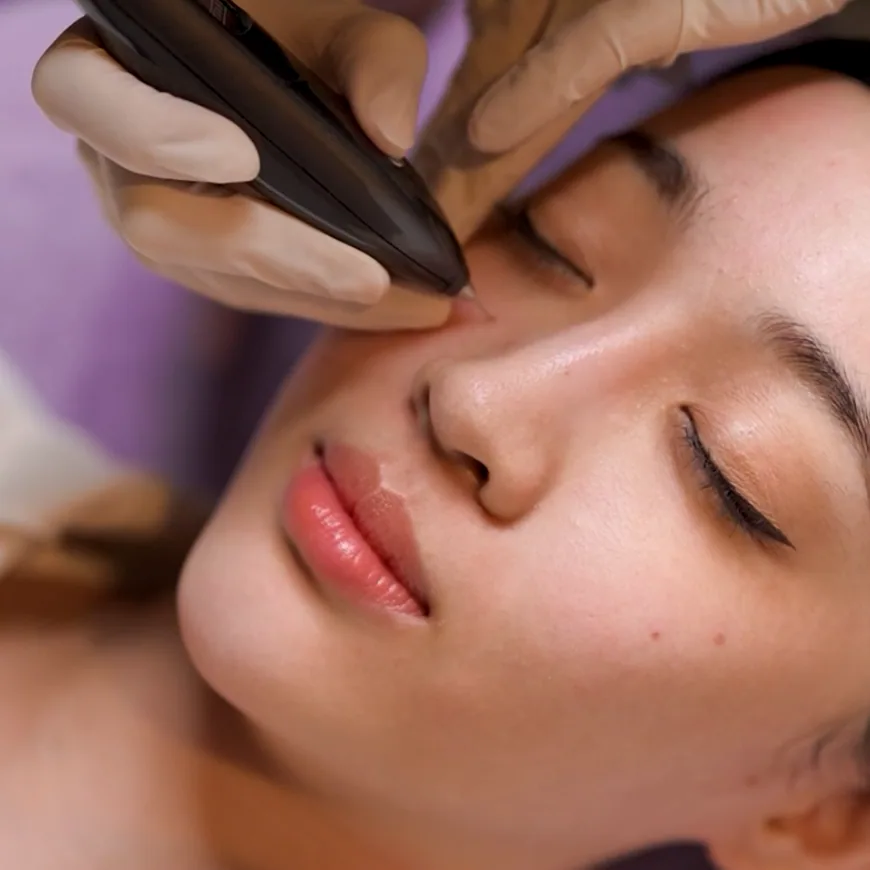
The lesion is removed using the selected technique.

You will receive instructions on wound care, sun protection and how to look after the treated area while it heals.
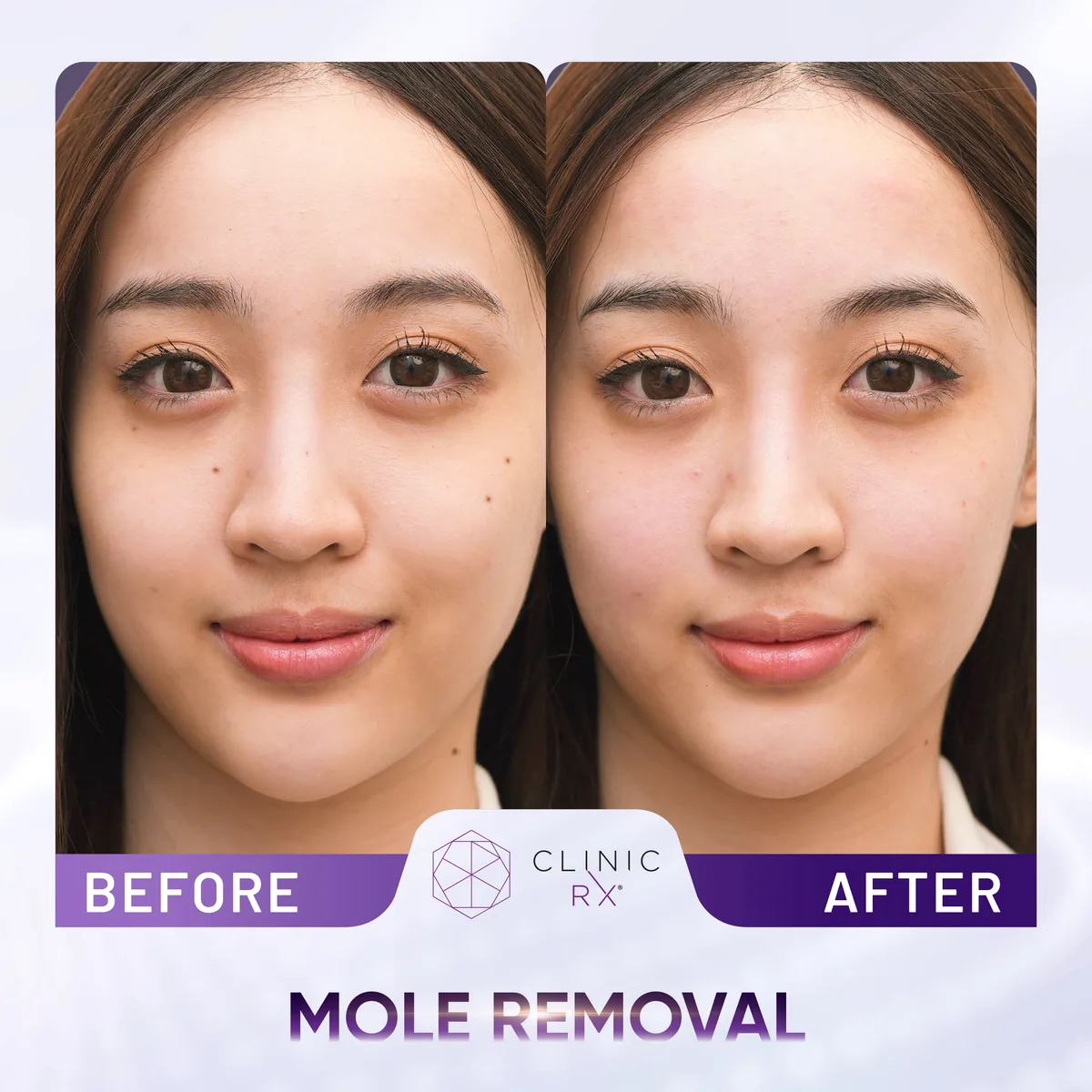
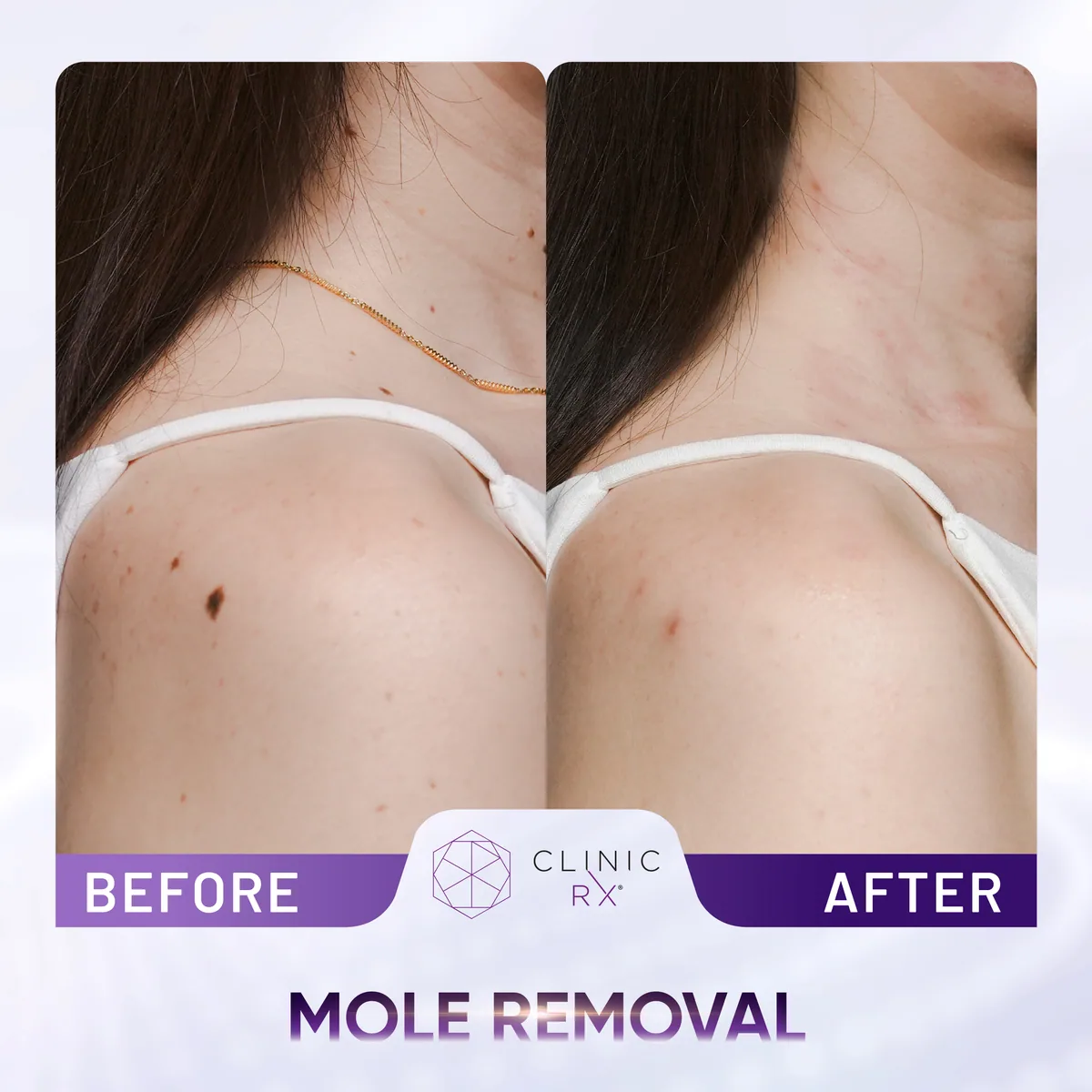
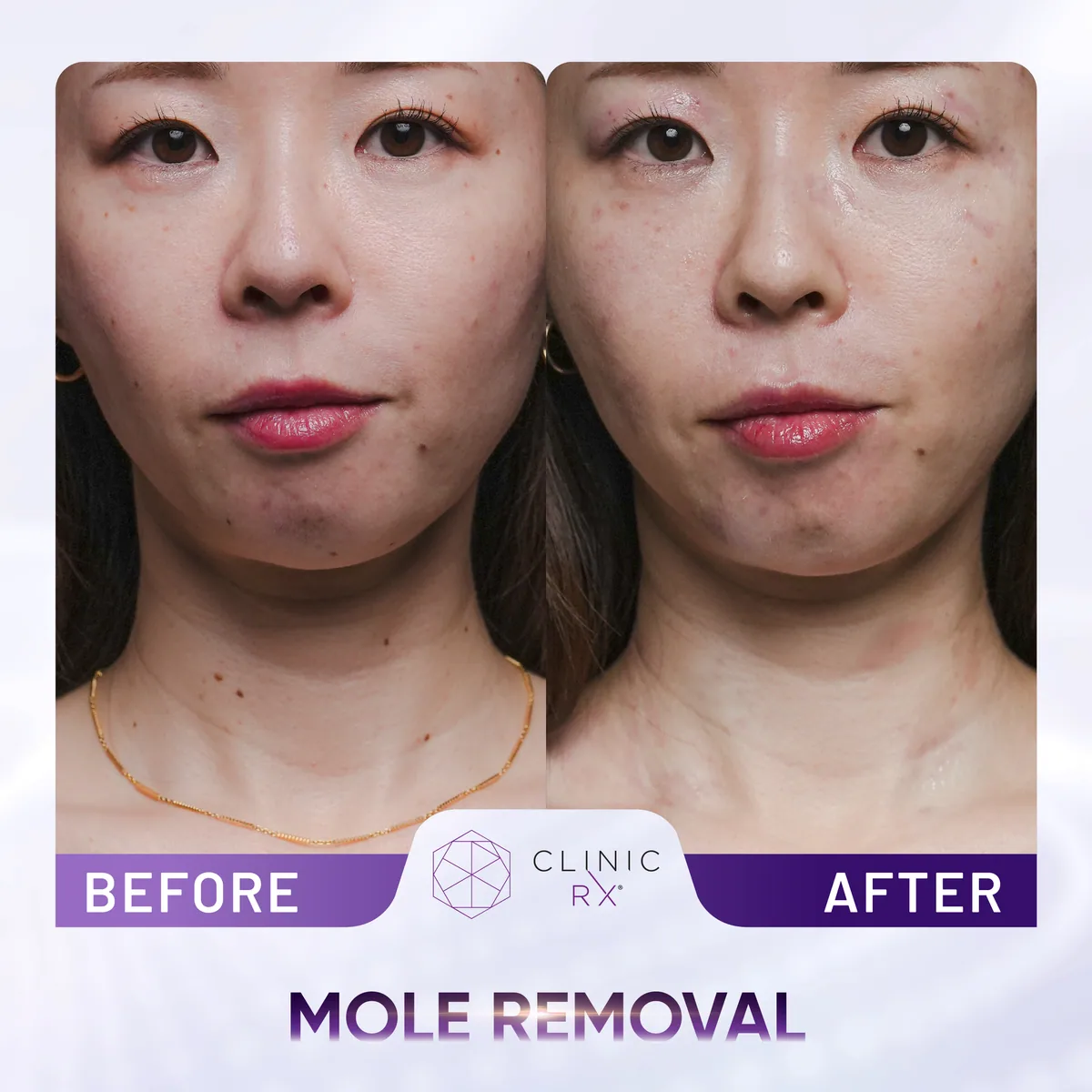
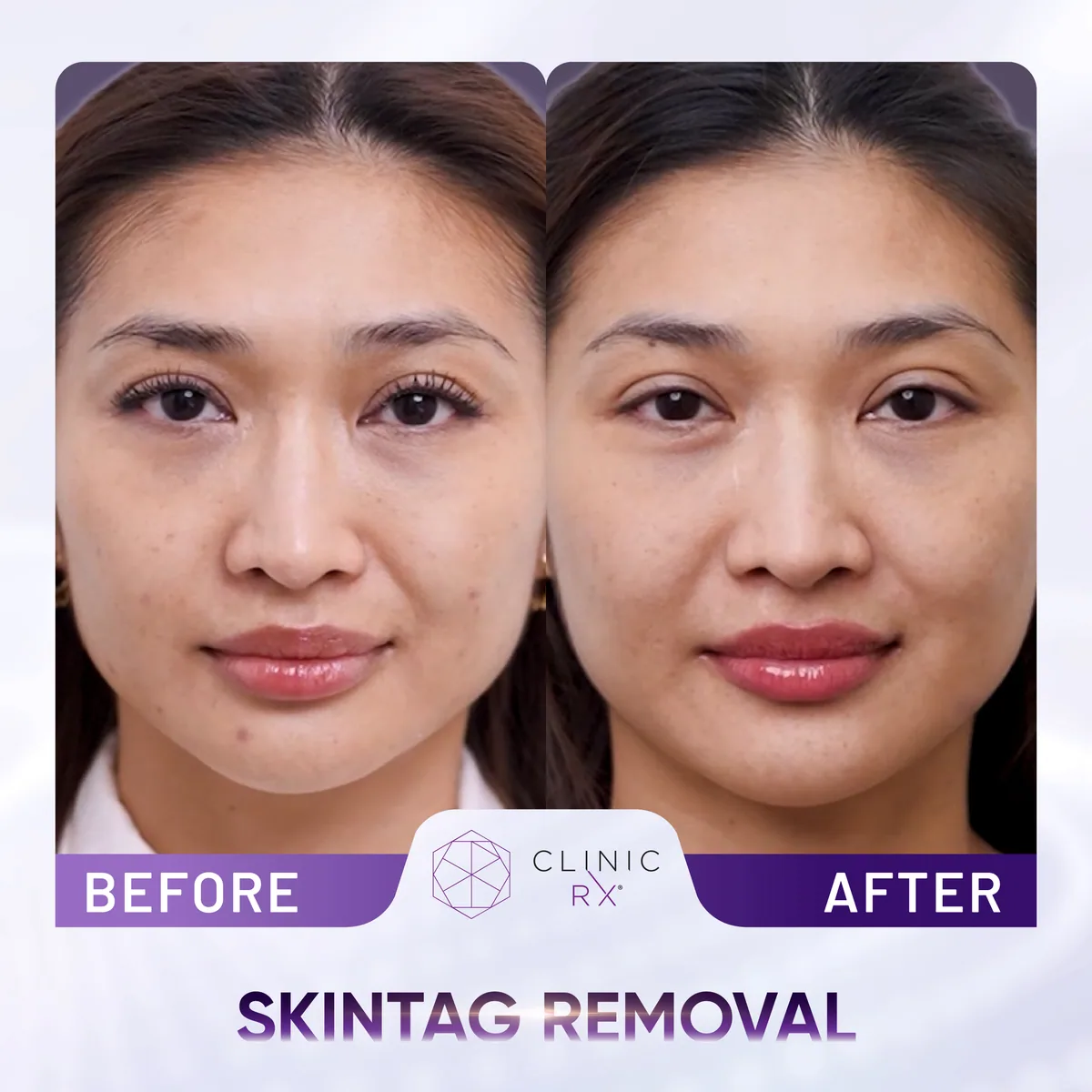
Milia are usually removed during the treatment itself. After mole removal, a small wound, crust or scab may be present while the skin heals.
A faint mark, pigmentation change or textural difference can remain depending on the lesion, removal method and individual healing response. Complete scar-free removal cannot be guaranteed.
Tell your doctor if a mole is new or has changed in size, shape, colour or appearance, or if it bleeds, crusts or behaves differently from your other moles.
Less common risks include infection, scarring and persistent pigmentation changes. Surgical mole removal may leave a visible scar depending on the size and depth of the lesion, technique used and individual healing.
If a removed mole has atypical or concerning features, pathological assessment may be recommended by your doctor.
Downtime depends on what is removed and which technique is used. Milia extraction generally has minimal downtime, although small red marks may be visible temporarily.
Superficial mole-removal techniques may also involve relatively short recovery. Surgical excision with stitches can require approximately one to two weeks of initial healing, with the scar continuing to mature after that.
and treated separately rather than as maintenance for a previously removed lesion.
The cost varies according to the number, size and type of lesions and the removal technique required.
At Clinic RX, the lesion is assessed first so the appropriate treatment approach and pricing can be discussed. Contact your preferred Clinic RX location for current consultation, availability and pricing.

Availability and removal techniques may vary by branch.
Please contact your preferred Clinic RX location to confirm availability and arrange a doctor assessment for milia or mole removal.
Milia are small, firm white or yellowish bumps caused by trapped keratin just beneath the skin surface. They commonly occur around the eyes, cheeks and nose and are not the same as acne.
It is better to have persistent milia assessed and removed appropriately rather than squeezing or picking them, especially around the eyes, where unnecessary trauma may cause irritation, infection or scarring.
Milia may be removed by creating a very small opening in the surface and gently extracting the trapped keratin. The exact method depends on the location and number of lesions.
No. Most moles do not require removal. Cosmetic removal may be considered for benign moles, while new, changing or unusual-looking moles should be medically assessed first.
A mole that is new or changing in size, shape or colour, has irregular borders, or develops other unusual features should be assessed by a doctor before cosmetic removal.
Depending on the mole’s size, depth and location, techniques may include electrocautery, laser, shaving or surgical excision. The doctor will recommend the appropriate approach after assessment.
Milia extraction is usually minimally uncomfortable. Mole removal commonly involves local numbing, so discomfort during the procedure is generally mild.
A mark or scar is possible after any mole-removal procedure. The likelihood and appearance depend on the mole’s size and depth, removal technique, location and individual healing.
Downtime varies by technique. Superficial removal may have relatively little downtime, while surgical excision with stitches may require around one to two weeks of initial healing.
A treated mole may occasionally recur if mole cells remain after certain removal techniques. Your doctor can explain the expected outcome and recurrence risk for the technique recommended.
Most lesions are treated in one session. Multiple milia can often be treated at one visit, while larger or deeper moles may need follow-up.
This page provides general information about Milia & Mole Removal and does not replace an individual medical consultation. Any mole with concerning features should be assessed by a doctor before removal. Treatment suitability, removal technique, expected results, healing and potential risks vary between individuals.