
Clinic RX Bukit Jalil
Kuala Lumpur, Malaysia
Mon–Fri, 10am–7pm | Sat, 9am–6pm

SKIN LESIONS & SCARRING
For raised, thickened or symptomatic keloid scars that need medical management
It is commonly used to gradually flatten and soften raised scar tissue and may also help reduce symptoms such as itching, tenderness or discomfort.
At Clinic RX, Keloid Injection is personalised according to the scar type, size, age, location, symptoms and previous treatment history. Because keloids have a recognised tendency to recur, treatment usually focuses on long-term scar control rather than promising complete permanent removal.
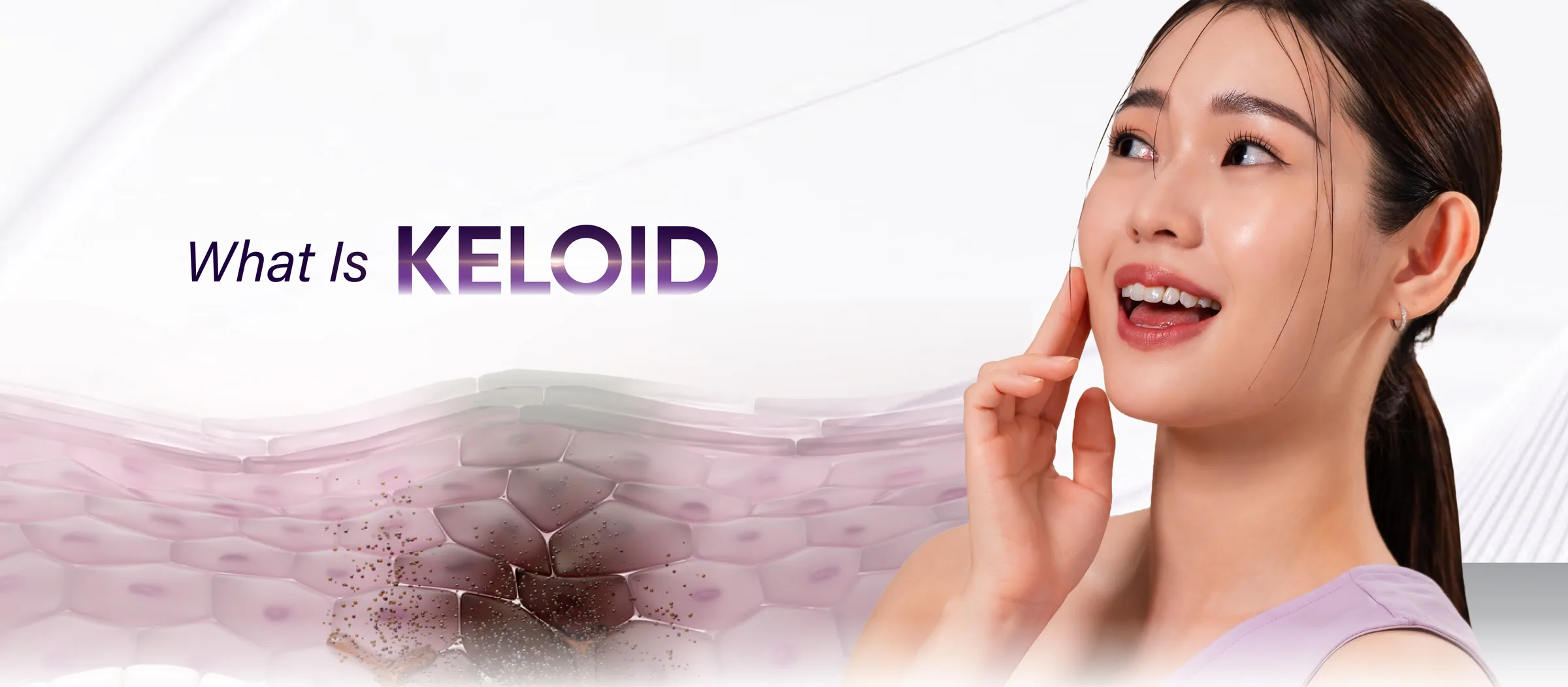
A keloid is a raised scar caused by an overactive healing response that produces excessive collagen. Unlike a normal scar, a keloid grows beyond the boundary of the original wound and may continue to enlarge over time.
Keloids may develop after acne, piercings, surgery, cuts, burns or other skin injuries. Some are mainly a cosmetic concern, while others may itch, feel tender or become painful.
A hypertrophic scar can also look raised and thickened, but it stays within the boundary of the original wound. Correct assessment is important because treatment planning may differ.
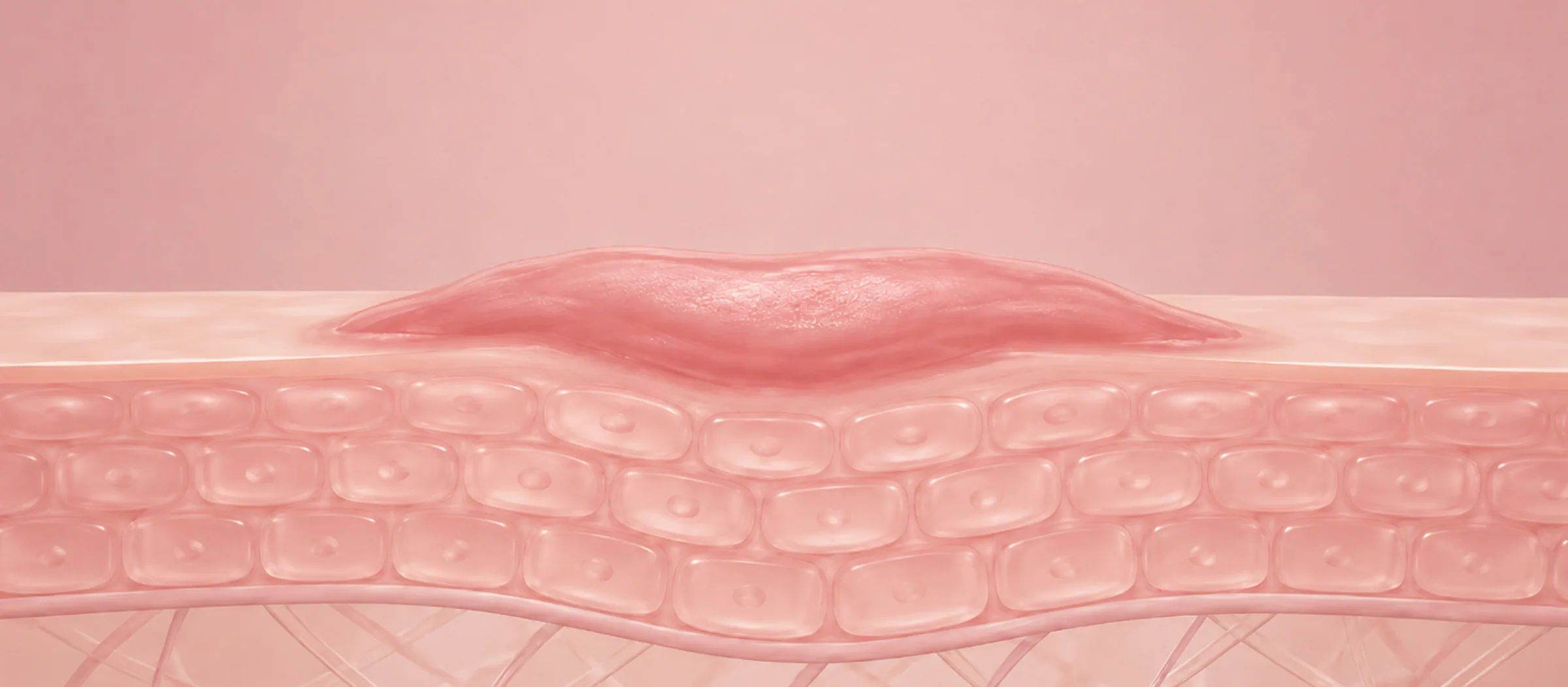
Keloid Injection is an intralesional treatment in which corticosteroid medication is injected directly into the scar tissue.
It is one of the most commonly used medical approaches for keloids and hypertrophic scars. Rather than cutting the scar out, the injection aims to reduce the excessive inflammatory and collagen-producing activity within the scar.
Improvement is gradual, and repeated sessions are commonly required.
The corticosteroid is injected directly into the raised scar. It helps suppress the overactive inflammation and collagen production responsible for continued keloid growth.
Across repeated sessions, the scar may gradually become flatter and softer, while symptoms such as itching or tenderness may improve.
Some keloids may require additional treatment approaches depending on their size, redness, location and recurrence history. These may include laser, silicone or pressure therapy, or selected surgical treatment combined with adjunct therapy.

The aim is usually to flatten, soften and control the scar rather than guarantee that it disappears completely.
Treatment suitability depends on the exact scar location, size, age and clinical characteristics.

The doctor examines the scar to determine whether it is a keloid or hypertrophic scar and assesses its size, age, location, symptoms and previous treatment history.
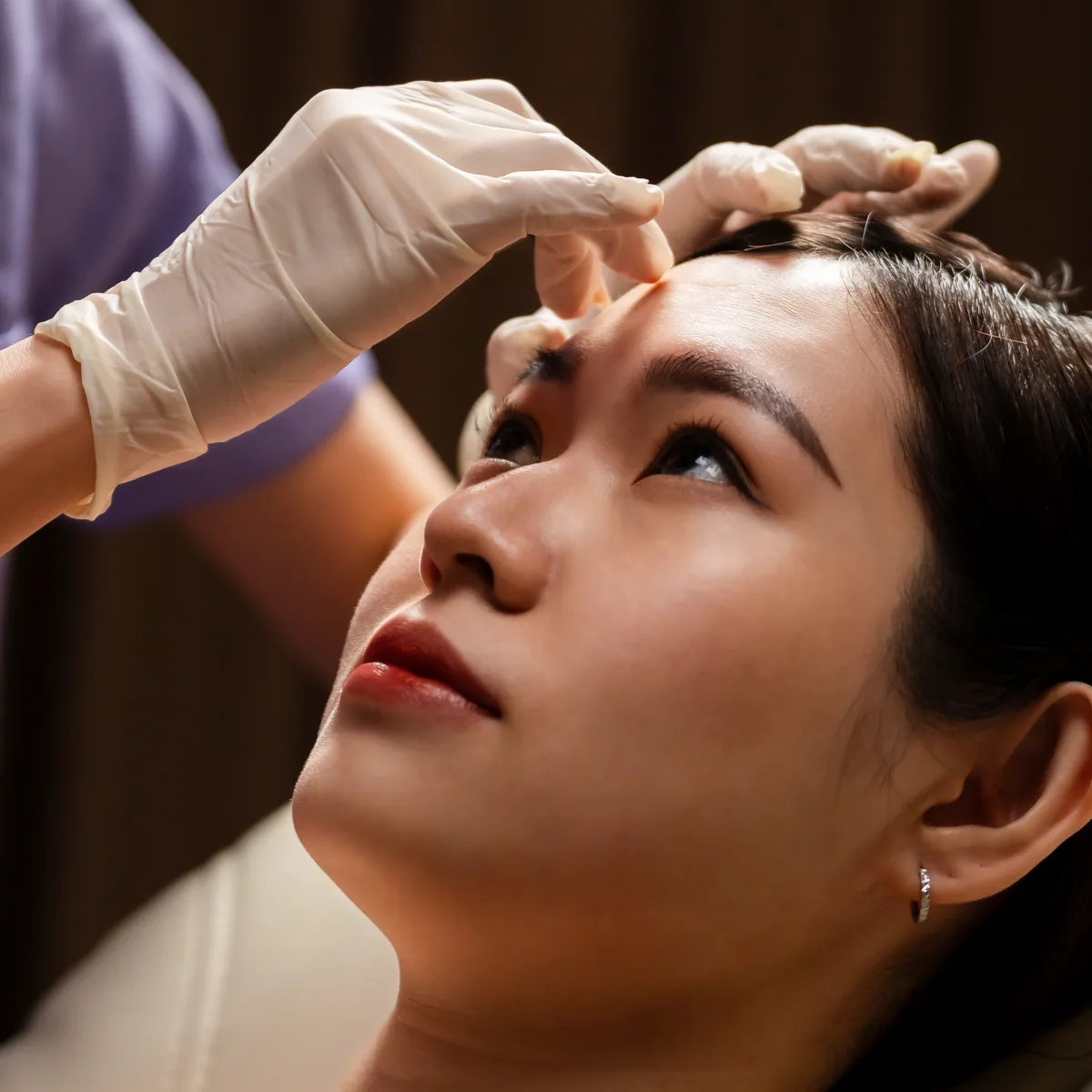
The injection approach and treatment interval are planned according to the scar's characteristics and response.
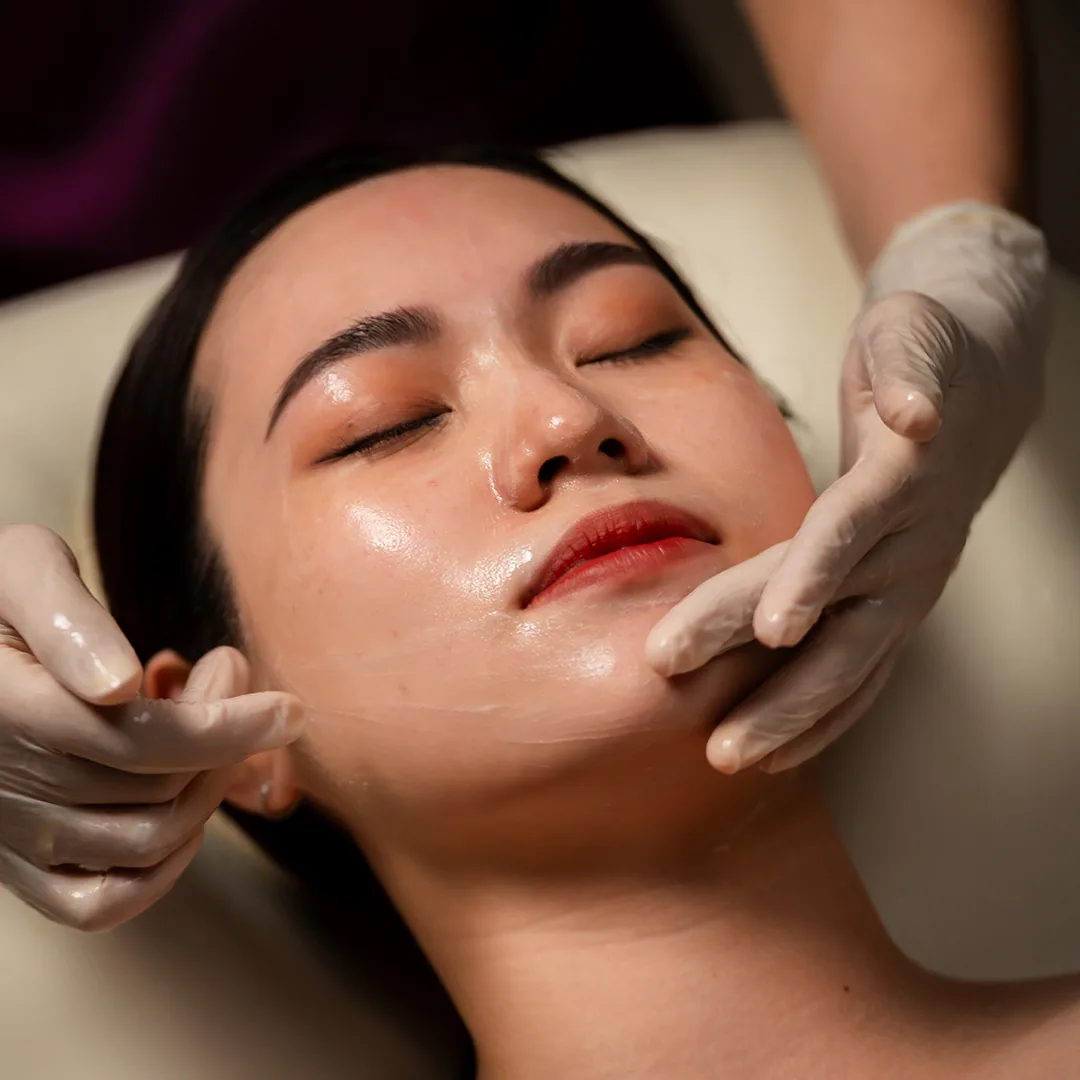
The treatment area is cleansed. Local numbing may be considered for larger or more sensitive scars.
Corticosteroid medication is injected directly into the scar tissue.

The scar is reviewed over time to assess flattening, symptom improvement and any signs of recurrence.
Keloid Injection does not usually produce an instant result. Improvement develops progressively over repeated sessions.
The degree of improvement varies according to scar size, age, location, individual scar behaviour and response to treatment. Keloids may recur even after they initially respond well.
Suitability should be confirmed by a doctor after the scar has been assessed.
Tell your doctor about your medical history, medications, allergies and previous scar treatments before proceeding.
Keloid injections are widely used in scar management, but side effects can occur.
With repeated corticosteroid injections, less common effects may include more noticeable skin thinning or visible small blood vessels in the treated area.
Incomplete response and recurrence are also possible because keloids can remain biologically active even after they become flatter.
Downtime is generally minimal. Mild soreness, swelling or bruising at the injection site may occur and commonly settles within a day or two.
Most patients can return to normal daily activities after treatment unless advised otherwise.
The cost of Keloid Injection varies according to the size and number of scars and the number of sessions required.
At Clinic RX, the scar is assessed before an appropriate treatment plan and pricing are discussed.
Contact your preferred Clinic RX location for current Keloid Injection consultation, availability and pricing.

Please contact your preferred Clinic RX branch to confirm current availability and arrange an assessment for a raised, thickened, itchy or recurring scar.
Keloid Injection is a medical treatment in which corticosteroid medication is injected directly into a keloid or selected hypertrophic scar to help reduce excessive scar activity and gradually flatten the scar.
A keloid grows beyond the boundary of the original wound and may continue enlarging. A hypertrophic scar remains within the original wound boundary and may gradually improve over time.
The corticosteroid helps suppress excessive inflammation and collagen production within the scar. Across repeated treatments, the scar may gradually become flatter and softer.
Not necessarily. The goal is usually to flatten, soften and control the scar and reduce symptoms. Complete permanent disappearance cannot be guaranteed.
The injection can cause brief stinging, pressure or discomfort. Local numbing may be considered for larger or more sensitive scars.
Several sessions spaced a few weeks apart are commonly required. The actual number depends on the scar's size, age, thickness, location and response.
Improvement is gradual rather than immediate. Flattening and softening usually develop over a course of sessions, and response varies between scars.
Yes. As scar activity reduces, symptoms such as itching, tenderness or discomfort may also improve.
Yes. Keloids can recur even after responding well to treatment, so follow-up and ongoing monitoring may be recommended.
Keloid injections may be used for suitable earlobe keloids caused by piercing. The appropriate approach depends on the size and characteristics of the scar.
Selected raised acne-related keloids may be suitable for injection after medical assessment.
Possible effects include brief pain, bruising, skin thinning and skin lightening at the injection site. Repeated injections can occasionally make these changes more noticeable.
This page provides general information about Keloid Injection and does not replace an individual medical consultation. Treatment suitability, expected results, number of sessions and potential risks vary between individuals. Keloids have a recognised tendency to recur even after treatment.